
Reflexology in GILMORTON, Lutterworth, Leicestershire

Welcome to my section featuring reflexology research
This part of my website includes links to articles featuring published scientific research relating to reflexology studied in specific areas. I have chosen a small sample that I feel may be of interest to my current clients and anyone who is curious about reflexology. I hope you find this section helpful.
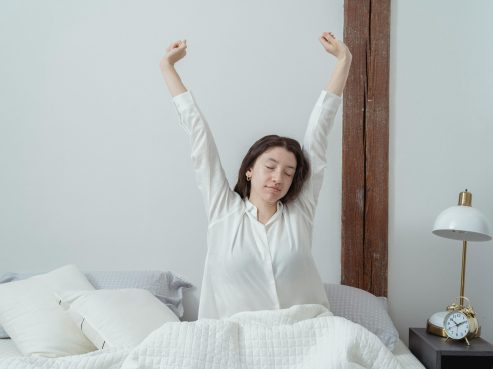
Reflexology and Better Sleep
One of the most common feedback comments I receive from clients is that they say they had a really good night’s sleep after their reflexology treatment. Our sleep pattern can be disturbed for many reasons which may be related to physical or mental health issues, lifestyle changes, work pressures or family challenges causing anxiety, which in turn makes it difficult for us to switch off and relax. When we are deprived of quality sleep over a period of time, this can have an impact on our energy levels, our ability to concentrate and our mood. Naturally it follows that good […]

Reflexology and Menopausal Symptoms
As a complementary therapy practitioner, I encourage a multi-faceted approach to self-care and wellbeing, which I believe is key to achieving optimal physical and emotional health. This is something I see reflected in my clients, who may pursue several self-help options (lifestyle changes, nutrition, exercise, relaxation techniques) as well as regular reflexology treatments, alongside their […]
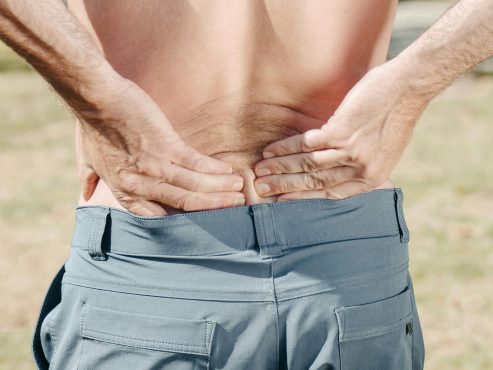
The Effect of Reflexology on Low Back Pain in Operating Room Nurses
It is quite common for clients to mention that they have been living with low back pain for many years, perhaps due to an occupational role or an old musculoskeletal injury. I have found clients tend to approach it as something they have learned to live with and manage it with a combination of medication, often combined with self-help measures (eg. keeping active and regular stretching exercises). […]